Office Cleaning
Maintaining workplace hygiene between professional cleans
A professional clean sets the standard. What happens over the following days decides whether that standard holds or quietly erodes until the next visit. The good news is that keeping workplace hygiene on track between contracted cleans takes minutes a day, provided those minutes are organised rather than left to goodwill.
What follows is a programme rather than a list of habits. If you are after the individual behaviours that make an office pleasant to share, we have covered those separately in our office hygiene tips. This piece is the framework an office or facilities manager can actually run.
Why standards slip between visits
Nothing dramatic happens. Bins fill, crumbs gather, the meeting room hosts six meetings and nobody resets it, and the kitchen sponge enters its second week of service. Each item is trivial on its own; together they are the reason an office cleaned on Monday evening can feel tired by Thursday.
The fix is not more effort but named ownership. A routine that belongs to everybody belongs to nobody, so the first decision is who checks what, and when. Everything below assumes one person, usually the office manager, owns the rhythm and delegates the tasks.
Culture does the rest. Supplies within arm's reach, managers visibly wiping their own desks, and a blame-free way to report a blocked sink or an empty dispenser will carry a hygiene routine much further than a laminated notice ever has.
Desks and workstations
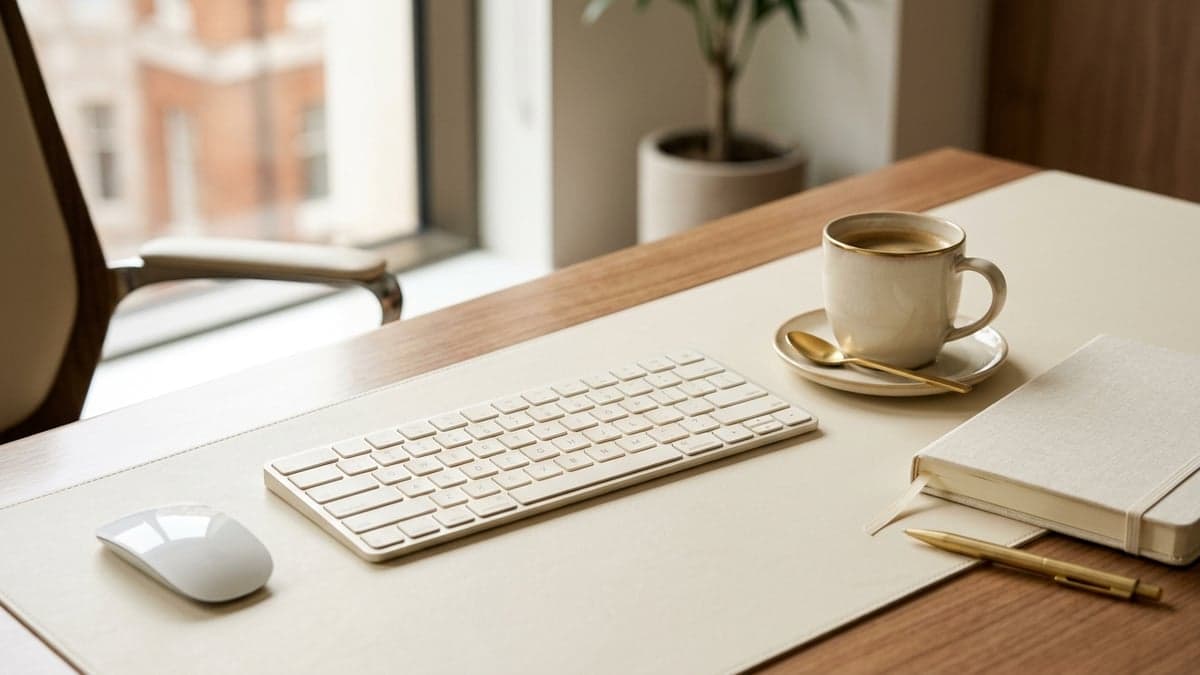
Desks collect skin, crumbs and dust all week, and keyboards and phones are handled constantly but cleaned rarely. Ask staff to wipe their own desk surface, mouse and phone with a disinfectant wipe at the end of each day, and to keep eating to the kitchen rather than the keyboard.
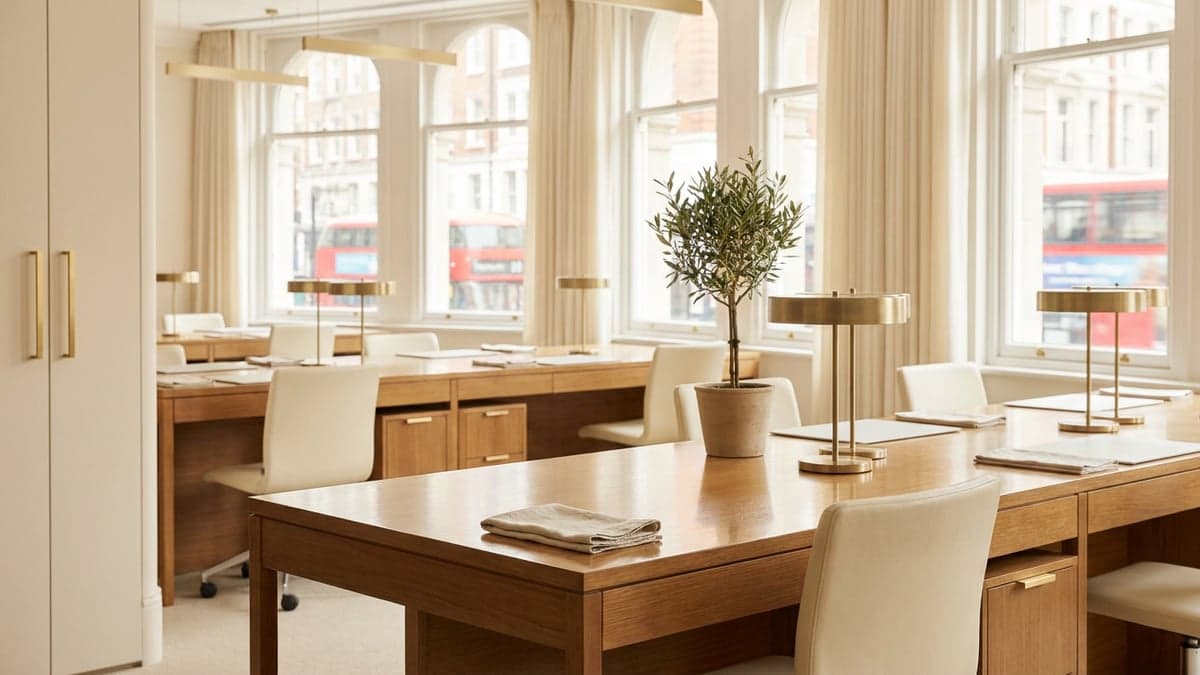
A reasonable weekly ask is a proper keyboard clean and a clear desk. Clear surfaces matter more than they appear to: your contracted team can only sanitise the desk they can reach, and a desk buried under paperwork simply does not get cleaned. Shared hot desks deserve slightly more care, with a wipe at the start of the day as well as the end, since the previous occupant's standards are an unknown quantity.
Kitchens, meeting rooms and washrooms
Shared spaces deteriorate fastest because everyone uses them and nobody owns them. Kitchens need surfaces wiped after use, the dishwasher loaded and run daily, and fridge handles wiped along with the counters. A weekly fridge clear-out, announced in advance and actually enforced, spares everyone the archaeology.
Meeting rooms should be reset after each booking: tables wiped, chairs straightened, whiteboards cleaned while the ink is still fresh. Washrooms need checking rather than cleaning between professional visits, which means confirming that soap, paper and towels are stocked, that floors are dry, and that any fault gets reported the day it appears rather than the week after.
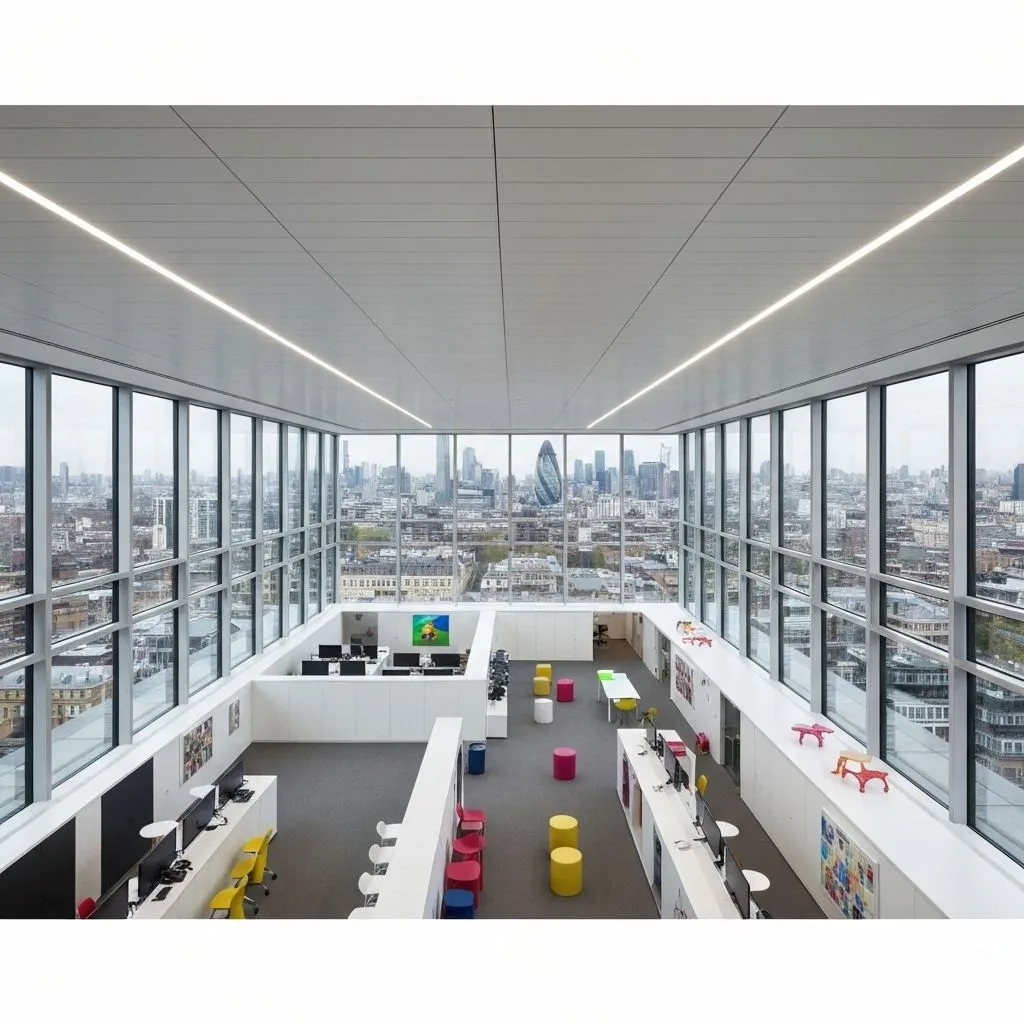 Shared spaces hold their standard when resets happen after every use, not once a day.
High-touch points and supply stations
Door handles, light switches, lift buttons, stair rails, kettle handles and printer keypads are touched by everyone and noticed by no one. Between professional cleans these deserve a daily wipe with a proper disinfectant, and more frequent attention during the winter cold and flu season. The same round is a good moment to glance at entrance glass and reception surfaces, which shape a visitor's first impression more than anything else in the building.
Worth knowing: a disinfectant only works while the surface stays wet. Check the contact time on the label and let the product sit for that long, rather than spraying and immediately wiping dry.
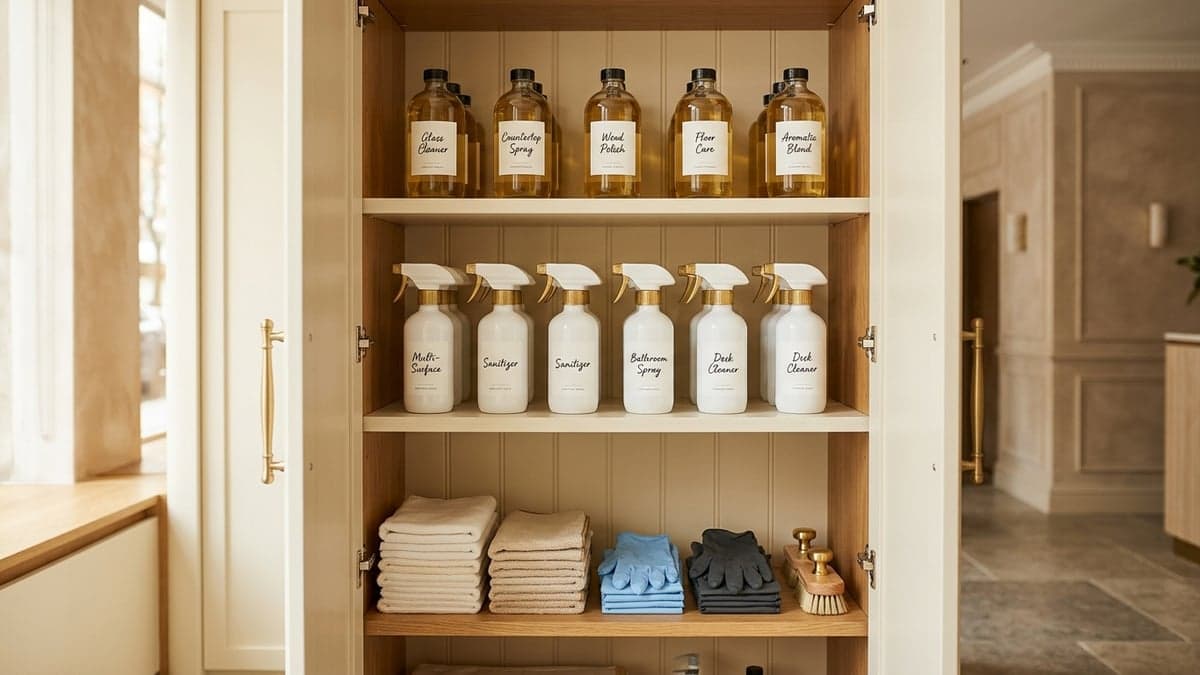
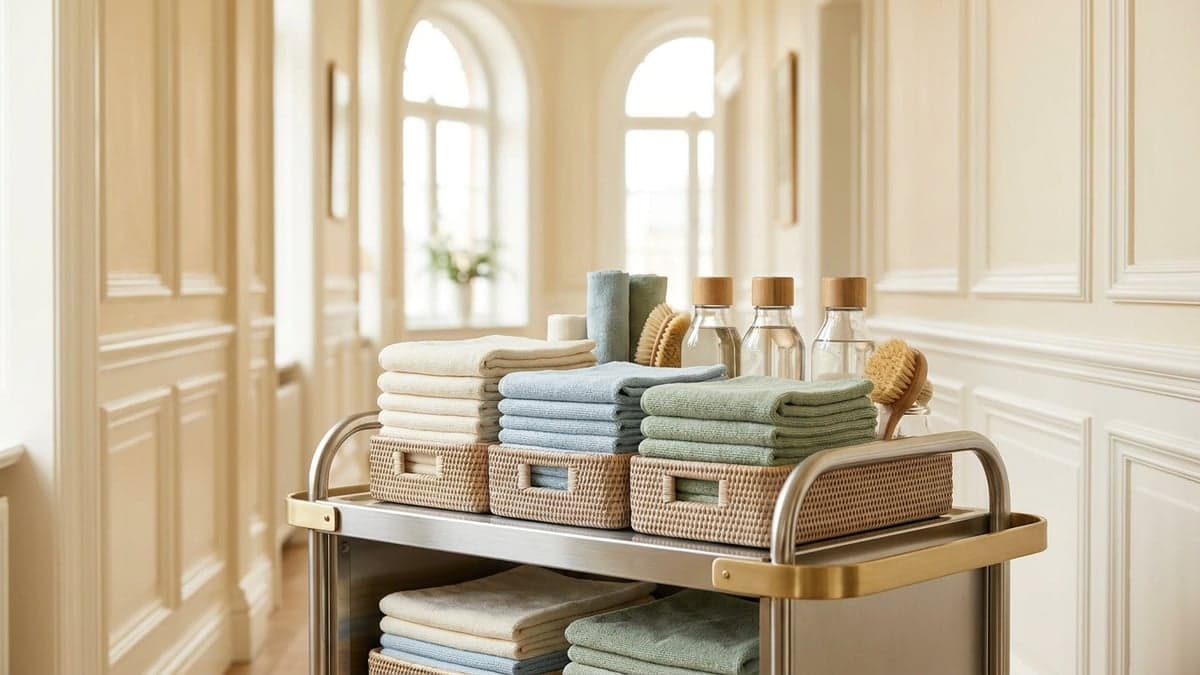
Supplies determine whether any of this happens at all. Put hand sanitiser at entrances, wipes in meeting rooms and beside shared equipment, and make one person responsible for reordering before anything runs out. A supply station that sits empty for a fortnight teaches everyone to stop looking at it.
A daily rhythm that takes minutes
The whole programme fits into a handful of short checks. Written down and owned, it looks something like this.
| When | What to check |
|---|---|
| Morning | Washroom stock, overflowing bins, reception presentable |
| Midday | Kitchen wipe-down, washroom recheck, high-touch surfaces wiped |
| Afternoon | Meeting rooms reset, spills and slip hazards dealt with |
| End of day | Bins out to the collection point, dishwasher on, low supplies noted for reorder |
Adjust the frequency to the building. A ten-person studio can drop the midday round entirely, while a busy floor with visitor traffic may need washrooms checked every couple of hours. The seasons matter too: step up high-touch wiping from autumn through early spring, and keep an eye on ventilation, moisture and allergens through the summer months.
The point of writing it down is not bureaucracy. It is that a written rhythm survives holidays, sickness and staff changes, which is precisely when an unwritten one collapses.
Where the professional clean comes back in
None of this replaces the contracted clean; it protects the gap between visits. Carpet extraction, floor treatment, high-level dusting, deep washroom sanitising and the rest of the deep cleaning workload still call for professional equipment and trained hands, on a schedule matched to how hard the building is used.
The two halves work best when they are planned together. Luxe Loom Cleaning helps clients shape the in-between routine around the visits we make, so if you would like a rhythm that fits your building rather than a generic checklist, get in touch.