Best Practices
The commercial deep cleaning checklist
A deep clean is not a bigger version of the nightly clean. It is a different job entirely: slower, more methodical, and aimed squarely at the surfaces that routine cleaning never reaches. Done properly, it resets a building.
What follows is the checklist we work to on commercial premises, organised by area, with the frequencies we would suggest for a typical office. Use it to brief your own team, or to hold your contractor to account. Either way, nothing on it is decorative.
What counts as a deep clean
Routine cleaning maintains a standard; deep cleaning restores one. The distinction matters because the two jobs need different planning. A deep clean happens out of hours, takes longer, uses stronger chemistry and moves furniture rather than cleaning around it.
Before anyone lifts a cloth, four things should be settled. Schedule the work outside business hours and tell staff in advance. Cover or secure sensitive equipment and documents. Confirm the ventilation is adequate for the products being used — and that nobody will be mixing them, for the reasons our chemical safety guide sets out. Finally, walk the building and note the problem areas, so the plan reflects your premises rather than a generic template.
Rule of thumb: if a surface sits above shoulder height or below knee height, routine cleaning is probably missing it. Cabinet tops, skirting boards, vent grilles, chair castors — a deep clean exists for exactly these surfaces.
The deep cleaning checklist, area by area
Work top to bottom, and back to front, in every room. Dust falls, and nobody should walk across a floor that has just been finished.
Reception and entrances
| Task | The detail that matters |
|---|---|
| Entrance mats | Lift and clean both sides; replace once the pile is flat — mats are the building's first filter |
| Glass doors and partitions | Both faces, including frames and the push plates people actually touch |
| Reception desk | Clear and disinfect the full surface, including underneath and the cable runs |
| Light fittings and vents | Dust and wash the covers; replace failed lamps while you are up there |
| Seating | Vacuum beneath cushions; wipe arms, legs and backs, not just the visible faces |
| Floors | Machine-clean edge to edge, including corners and behind planters |
Workstations and meeting rooms
| Task | The detail that matters |
|---|---|
| High-level dust | Ceiling corners, fixture tops, cabinet tops and vent grilles |
| Windows, sills and blinds | Wash sills and frames; dust or wash blinds slat by slat |
| Furniture | Move it and clean behind and beneath — never around |
| Desks and storage | Full surfaces including edges and legs; drawers and cabinets inside and out |
| IT equipment | Keyboards, mice, phones and monitors, sanitised with products suited to electronics |
| Meeting rooms | Tables, chairs, whiteboards, remote controls and conference phones |
Kitchens and break areas
| Task | The detail that matters |
|---|---|
| Refrigerator | Empty it, remove the shelves, and clean inside and out including the door seals |
| Coffee machines and kettles | Descale as well as clean |
| Microwaves | Degrease inside and out, including the door vents |
| Dishwasher | Clean the filter, then run a hot maintenance cycle |
| Sinks and drains | Scrub, descale, and treat the drains |
| Worktops and cupboards | Degrease the splashbacks; cupboards inside and out |
| Floors | Mop with degreaser, including behind and beneath the appliances |
Washrooms
| Task | The detail that matters |
|---|---|
| Toilets and urinals | Full disinfection including cisterns, hinges and bases |
| Sinks and taps | Descale and polish |
| Tiles and grout | Scrub the grout lines; note any that need resealing |
| Partitions and doors | Both faces, plus tops, locks and hinges |
| Dispensers | Clean, refill and check they actually work |
| Floors and drains | Machine-scrub with disinfectant; check and treat the drains |
| Extraction | Dust the vents and extractor fans so they can do their job |
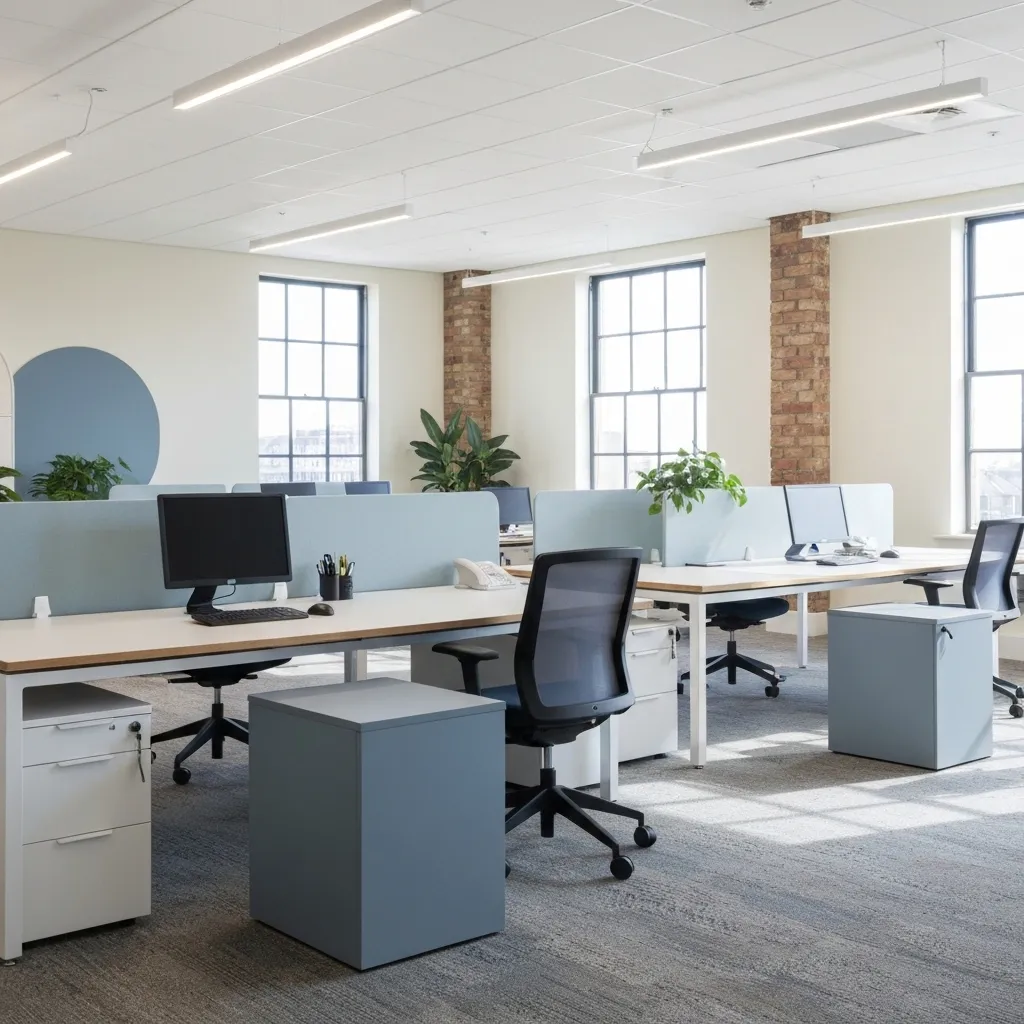 Move the furniture and clean the building — not the other way round.
Floors, high-touch points and the areas everyone forgets
Floor care is the most visible part of the job. Hard floors should be stripped and re-finished where a polish system is in place, tiles machine-scrubbed and grout cleaned, then the lot buffed — with skirting boards wiped as part of the work rather than an afterthought. Carpets want a thorough vacuum to the edges, spot treatment of stains, then hot-water extraction, followed by honest drying time with decent airflow before the space is used again.
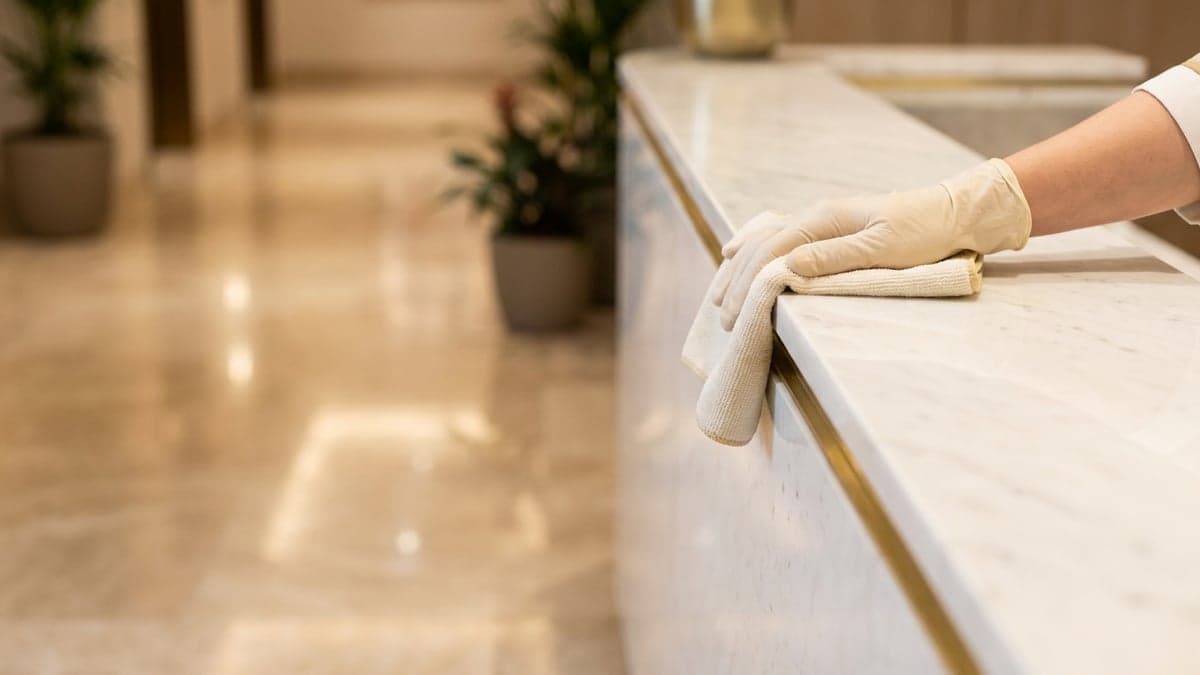
High-touch points deserve a dedicated pass: door handles, push plates, light switches, lift buttons, stair handrails and shared equipment. They are quick to do and disproportionately important, because hands carry whatever lives on them around the entire building.
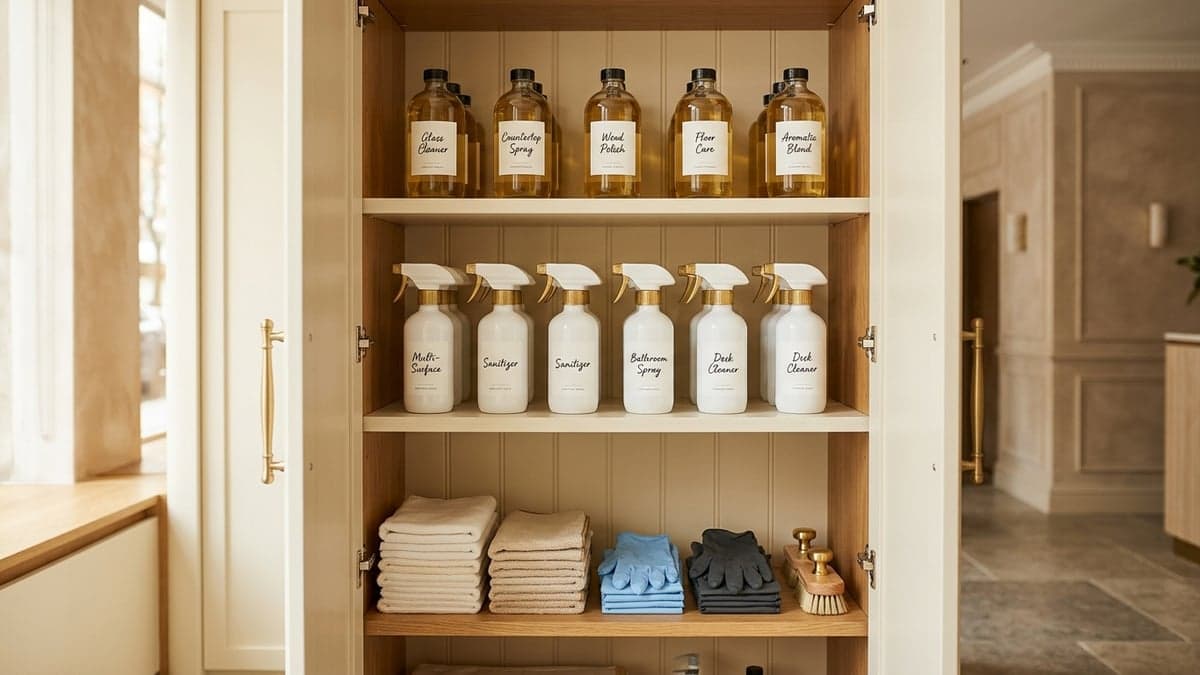
Then the forgotten spaces. Storage rooms and cleaning cupboards gather dust and, occasionally, pests; clear them, clean the shelving and check for evidence of either. Air vents and grilles should be dusted and filters replaced on schedule. A clean office with dirty air handling is only half clean.
How often is often enough
Frequency should follow footfall and use, not the calendar alone. These are working baselines:
| Setting | Suggested deep-clean frequency |
|---|---|
| Low-traffic professional office | Every six months, as a minimum |
| Typical commercial office | Quarterly |
| Gyms, food service and clinical settings | Monthly |
| Any premises | Spring and autumn cleans align well with what the seasons bring in |
Where a building sits between categories, err towards the more frequent schedule for kitchens and washrooms and the less frequent one for general office space. Frequencies can differ by area within a single building, and they usually should.
Doing it in-house, or not
This checklist works perfectly well for an internal team, with two honest caveats. The floor work — stripping, refinishing, hot-water extraction — needs commercial equipment that few businesses own, and the whole job takes longer than most people budget for. A contractor brings the machinery, the products and the habit of doing this every week rather than once a year. Our services page sets out how we structure that work.
However you resource it, the checklist itself is the point: written down, worked through, signed off. And if you would rather hand the clipboard to someone who does this for a living, Luxe Loom Cleaning will build a deep-clean plan around your premises — get in touch and we will walk the building with you.